
Detroit Bankruptcy Essential Steps
Nearly one million households file for bankruptcy each year, highlighting just how common financial distress can be, especially in a city like Detroit. Many Detroit residents face overwhelming debt that threatens their peace of mind and future stability. Understanding bankruptcy basics is not just about numbers. It means learning practical steps that help you regain control and protect what matters most. This guide covers essential options, eligibility, and legal processes, tailored to Detroit’s unique financial landscape.
Key Takeaways
| Point | Details |
| Bankruptcy Options | Detroit residents can choose between Chapter 7 for liquidating debts and Chapter 13 for debt reorganization, depending on their financial situation. |
| Eligibility Criteria | Applicants must pass a means test and provide extensive financial documentation to qualify for bankruptcy protections. |
| Costs and Risks | Bankruptcy can lead to significant filing fees and a severe impact on credit scores; alternatives like debt negotiation may offer less damaging options. |
| Professional Guidance | Consulting with a bankruptcy attorney is crucial to navigate the complex legal process and make informed decisions. |
Bankruptcy Basics for Detroit Residents
Bankruptcy is a legal lifeline for Detroit residents struggling with overwhelming financial challenges. When debt becomes unmanageable, understanding the fundamental processes can help individuals make informed decisions about their financial future. Detroit’s bankruptcy landscape reveals complex economic dynamics that impact personal financial strategies.
For Detroit residents, bankruptcy isn’t just a financial reset—it’s a structured legal process designed to provide relief and protection. There are two primary bankruptcy chapters most individuals consider: Chapter 7 and Chapter 13. Chapter 7 bankruptcy allows for complete liquidation of certain unsecured debts, while Chapter 13 bankruptcy enables debt reorganization with a structured repayment plan. Each option offers unique advantages depending on an individual’s specific financial situation.
Navigating bankruptcy requires understanding local regulations and personal financial circumstances. Detroit residents must meet specific income and debt criteria to qualify for different bankruptcy types. How to File Bankruptcy in Detroit involves several critical steps: comprehensive financial documentation, mandatory credit counseling, means testing, and court filing. The process demands meticulous preparation and often benefits from professional legal guidance.
Pro Tip for Bankruptcy Preparation: Gather all financial documents, including tax returns, pay stubs, asset information, and complete debt listings before consulting a bankruptcy attorney. Thorough documentation can significantly streamline your bankruptcy process and improve your chances of a successful filing.
Comparing Chapter 7 and Chapter 13 Options
Bankruptcy provides critical financial relief for individuals facing overwhelming debt, with Chapter 7 and Chapter 13 representing two distinct approaches to managing financial challenges. Understanding Chapter 7 Vs. Chapter 13 Bankruptcy reveals the nuanced differences that can significantly impact an individual’s financial recovery strategy.
Chapter 7 Bankruptcy, often called liquidation bankruptcy, allows qualifying individuals to discharge most unsecured debts quickly. This option works best for those with limited income and minimal assets. Typical dischargeable debts include credit card balances, medical bills, and personal loans. However, not everyone qualifies – applicants must pass a means test demonstrating their income falls below the state median or proves significant financial hardship.

Chapter 13 Bankruptcy offers a different approach, creating a structured repayment plan that allows individuals to retain their assets while reorganizing debt. This option is ideal for people with steady income who can make consistent partial payments over three to five years. Homeowners facing potential foreclosure often find Chapter 13 particularly beneficial, as it can help them catch up on mortgage arrears and prevent property loss.
Here is a side-by-side look at key differences between Chapter 7 and Chapter 13 bankruptcy options:
| Aspect | Chapter 7 Bankruptcy | Chapter 13 Bankruptcy |
| Debt Treatment | Most unsecured debts wiped out | Debts reorganized into manageable plan |
| Qualification | Means test, low income needed | Requires regular income, higher limits |
| Asset Impact | Non-exempt assets may be sold | Assets typically retained, catch-up allowed |
| Process Duration | 3 to 6 months, typically brief | 3 to 5 years, extended process |
| Common Use Case | Fresh start for minimal assets | Prevent foreclosure, retain property |
Pro Tip for Bankruptcy Selection: Consult with a bankruptcy attorney to conduct a comprehensive financial review before choosing between Chapter 7 and Chapter 13. Each individual’s financial situation is unique, and professional guidance can help you select the most advantageous bankruptcy option for your specific circumstances.
Eligibility and Documentation Requirements in Michigan
Navigating bankruptcy eligibility in Michigan requires a comprehensive understanding of both federal guidelines and state-specific regulations. Reasons Michigan Chapter 7 Bankruptcies May Be Denied highlights the critical nuances that can impact an individual’s bankruptcy filing. Potential applicants must carefully evaluate their financial circumstances and prepare extensive documentation to demonstrate their eligibility.
Income Requirements play a pivotal role in bankruptcy qualification. Michigan residents must pass a means test that compares their household income to the state median. This test evaluates whether an individual’s income falls below specific thresholds, determining eligibility for Chapter 7 liquidation or necessitating a Chapter 13 restructuring. Applicants must provide comprehensive documentation including recent tax returns, pay stubs, bank statements, and a detailed accounting of all financial obligations.
Michigan offers unique bankruptcy exemptions that protect certain assets during the bankruptcy process. Wildcard exemptions allow residents to safeguard specific property or cash assets, providing a critical financial safety net. Michigan Bankruptcy And Wildcard Exemptions provides insights into how individuals can maximize their protected assets while seeking financial relief. Documenting these exemptions requires meticulous record-keeping and a thorough understanding of state-specific legal provisions.
Pro Tip for Bankruptcy Preparation: Compile a comprehensive financial portfolio before meeting with a bankruptcy attorney. Gather every financial document, including tax returns for the past two years, complete list of assets and debts, income statements, and a detailed budget breakdown. This preparation can significantly streamline the bankruptcy assessment process and improve your chances of a successful filing.
The Legal Process and Court Procedures
Bankruptcy proceedings involve a complex legal journey that requires careful navigation through federal and state court systems. Detroit’s bankruptcy legal proceedings demonstrate the intricate nature of bankruptcy processes, highlighting the importance of understanding each critical step. Individual bankruptcy cases follow a structured path designed to provide fair resolution for both debtors and creditors.
The bankruptcy filing process begins with mandatory credit counseling, where individuals must complete an approved financial management course within 180 days before filing. Petitioners must then prepare and submit comprehensive documentation to the United States Bankruptcy Court, including detailed financial statements, income records, asset inventories, and a complete list of creditors. Municipal bankruptcy details illustrate the complexity of legal proceedings that individual filers will encounter.
After filing, debtors must attend a 341 Meeting of Creditors, a critical hearing where a bankruptcy trustee and potential creditors can ask questions about the financial situation. This mandatory meeting allows for comprehensive examination of the debtor’s financial circumstances. The court will then determine whether to approve the bankruptcy petition, potentially requiring additional documentation or clarification from the filer.
Pro Tip for Court Preparation: Create a detailed timeline of your financial history and organize all financial documents chronologically before your bankruptcy hearing. Bring multiple copies of each document, including tax returns, pay stubs, bank statements, and a comprehensive list of all assets and debts. Being thoroughly prepared can help reduce stress and increase the likelihood of a smooth legal process.
Costs, Risks, and Alternatives to Bankruptcy
Bankruptcy represents a complex financial decision with significant long-term implications for individuals struggling with overwhelming debt. The Pros and Cons of Filing for Bankruptcy provides critical insights into the multifaceted nature of this financial strategy. While bankruptcy offers debt relief, it comes with substantial financial and personal consequences that require careful consideration.
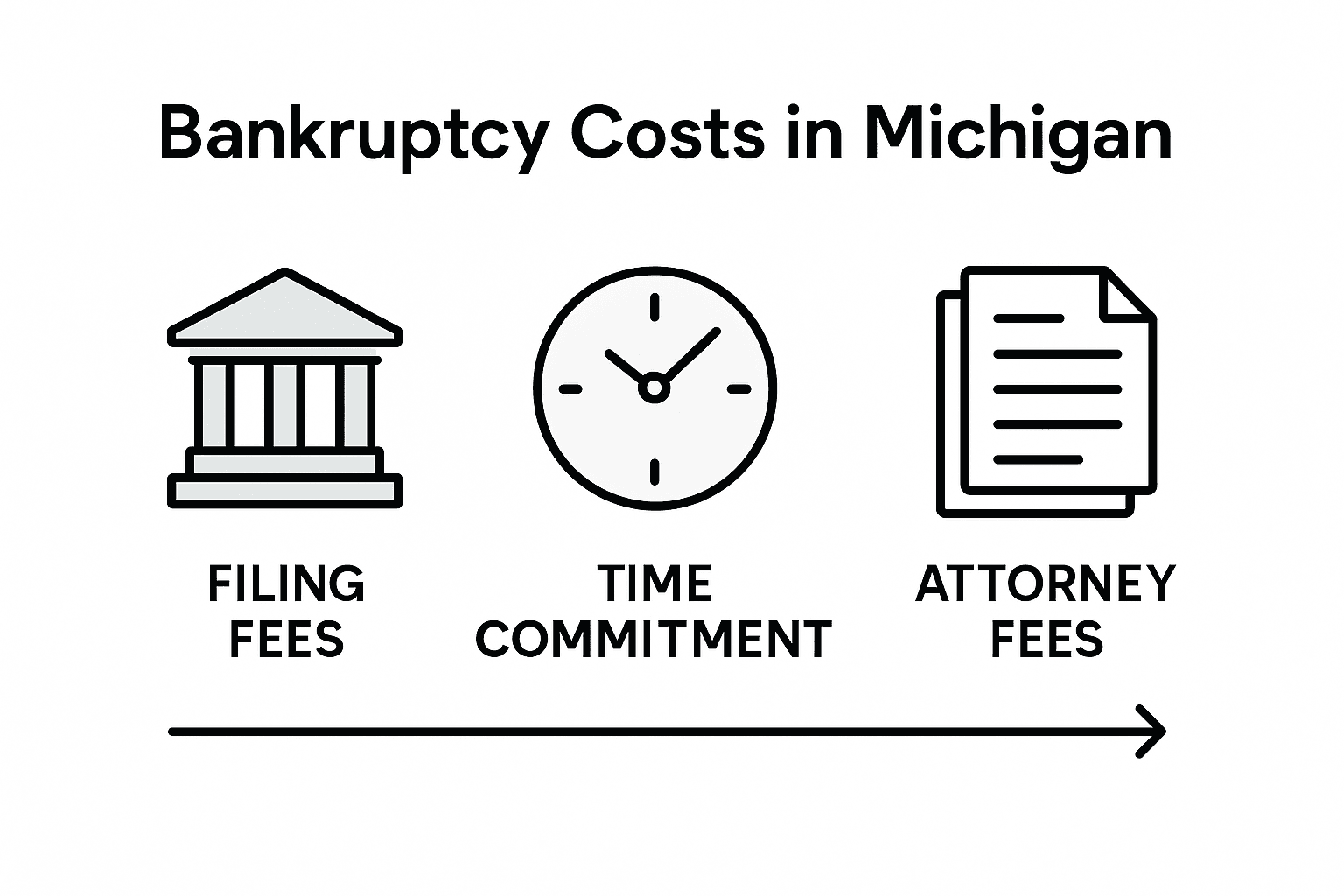
Financial Costs of bankruptcy extend beyond immediate filing expenses. Court filing fees typically range from $300 to $350, with additional attorney fees potentially reaching $1,500 to $3,000. The most significant expense is the long-term impact on credit scores, which can plummet by 150-250 points and remain on credit reports for seven to ten years. This credit damage can affect future loan eligibility, interest rates, employment opportunities, and housing applications.
Bankruptcy Alternatives offer potential options for those seeking debt relief without the severe consequences of bankruptcy. Debt negotiation, consolidation, and settlement provide alternative paths for managing financial challenges. Debt consolidation can simplify multiple payments into a single monthly installment, potentially reducing overall interest rates. Creditor negotiation might result in reduced balances or modified payment plans, allowing individuals to avoid the more drastic step of bankruptcy.
The following table summarizes the main costs, risks, and alternative solutions related to bankruptcy:
| Factor | Bankruptcy Impact | Alternative Approaches |
| Upfront Financial Cost | $1,800–$3,350 including attorney fees | Fees vary for counseling, consolidation |
| Credit Consequence | Significant score drop, 7–10 years record | Less severe, quicker credit recovery |
| Emotional Impact | Stressful, possible stigma | Negotiation may reduce stress |
| Debt Solution Speed | Immediate or structured relief | Gradual balance reduction possible |
Pro Tip for Financial Recovery: Create a comprehensive debt management strategy before making a final decision. Consult with a financial advisor or bankruptcy attorney to thoroughly evaluate your specific financial situation, comparing the immediate relief of bankruptcy against long-term alternatives that might preserve your credit standing and financial flexibility.
Facing Bankruptcy in Detroit Start Your Financial Fresh Start with Expert Legal Help
If debt feels overwhelming and you are unsure about navigating Chapter 7 or Chapter 13 bankruptcy options in Michigan the challenges can seem insurmountable. You are not alone Many Detroit residents share these concerns as they face complex local laws income tests and the need to protect their valuable assets. Understanding the legal process and eligibility requirements is critical but also emotionally stressful without trustworthy guidance.
At Frego & Associates we specialize in helping Michigan residents facing bankruptcy. Our experienced team knows the local regulations and offers compassionate support through every step. Whether you need help determining if Chapter 7 or Chapter 13 is best for your situation or want to understand how to protect your assets using Michigan exemptions we have you covered. Visit our Bankruptcy – Frego & Associates page for detailed information and learn how to take control of your financial future today.
Don’t wait until debt controls your life. Get a free Detroit Bankruptcy consultation by calling us at (313) 724-5088.
Frequently Asked Questions
What is Chapter 7 bankruptcy, and how does it work?
Chapter 7 bankruptcy, known as liquidation bankruptcy, allows individuals to discharge most unsecured debts quickly. It is suited for those with limited income and minimal assets.
What is the process for filing bankruptcy in Detroit?
The process involves steps like mandatory credit counseling, preparing financial documents, passing a means test, and filing with the United States Bankruptcy Court. A detailed financial portfolio is crucial for a successful application.
How do I determine eligibility for bankruptcy in Michigan?
Eligibility is determined by passing a means test that compares your income to the state median. Additionally, comprehensive documentation of income, assets, and debts is required to demonstrate your financial situation.
What costs should I anticipate when filing for bankruptcy?
Costs include court filing fees (typically ranging from $300 to $350) and potential attorney fees of $1,500 to $3,000. There can also be long-term impacts on your credit score, affecting future financial opportunities.